
How to Choose the Right Big Bag for Your Industry






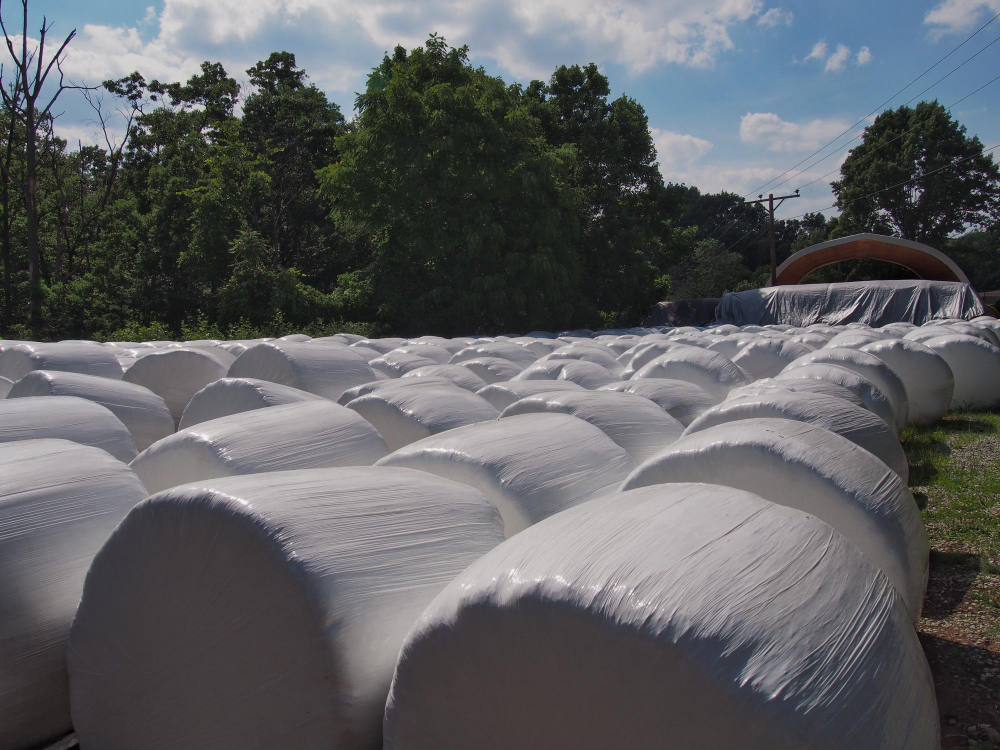
Selecting the right big bag is not simply a matter of picking a size off a catalog page. The bag you choose has to hold up under the weight, flow behaviour and handling conditions specific to your product — and getting it wrong can mean product loss, safety risks or unnecessary shipping costs. This guide walks through the key factors that determine the right big bag for your industry.
Understanding Big Bag Basics
A big bag, also known as a flexible intermediate bulk container (FIBC), is a large woven polypropylene bag designed to store and transport dry, flowable products in bulk. They typically hold between 500 kg and 2,000 kg, though capacity varies by design. Before comparing options, it helps to understand the core variables that define a bag: fabric weight, seam construction, lifting configuration, base type and discharge method. Each of these is adjusted depending on what the bag needs to carry and how it will move through your supply chain.
Assessing Your Product’s Characteristics
The starting point for any big bag decision is the product itself. Is it a fine powder, a granular material, or an irregular bulk solid? Fine powders often require coated or laminated fabric to prevent sifting through the weave, while granular products may need less protection but more attention to abrasion resistance. Density matters too — a heavier product concentrated in a standard-size bag puts more stress on seams and lifting loops than a lighter, bulkier one. Moisture sensitivity, temperature exposure and whether the product is food-grade or industrial also shape which fabric and liner combination makes sense.
Matching Fabric and Structure to Load Requirements
Once the product profile is clear, fabric structure and safe working load (SWL) become the next consideration. Bags are rated with a safety factor — typically five or six times the SWL — to account for repeated handling, stacking and transport stress. Industrial raw materials and high-volume commodities generally call for a heavier fabric weight and reinforced seams, while lighter agricultural products may not need the same structural margin. Getting this balance right avoids both under-engineering, which risks failure, and over-engineering, which adds unnecessary material cost.
Lifting Loops, Base Type and Discharge Options
How a bag will be lifted, filled and emptied should be decided early, since it affects the entire bag design. One, two or four-loop configurations suit different lifting equipment and handling routines. Base type — flat bottom, discharge spout or duffle top — is chosen based on whether the bag will be filled by gravity, vacuum or conveyor, and how it needs to be emptied at the receiving end. Discharge spouts, for example, are common where controlled, mess-free emptying is required, while flat-bottom bags are often preferred for stable palletised storage.
Storage and Handling Considerations
Big bags don’t exist in isolation — they move through warehouses, get stacked, and sometimes sit in storage for extended periods before use. UV-stabilised fabric is important for bags stored outdoors or exposed to sunlight during transport. Stacking strength and pallet compatibility affect how efficiently bags can be stored, while breathable versus fully coated fabric determines how the product inside responds to humidity. Thinking through the full storage and handling cycle, not just the initial fill, leads to a more reliable packaging choice.
Working with a Vertically Integrated Manufacturer
Because so many variables interact — product characteristics, load requirements, handling equipment and storage conditions — the most reliable way to land on the right big bag is to work with a manufacturer that controls the full production flow. A vertically integrated producer can adjust fabric structure, size, lifting configuration and base detail together, rather than offering a fixed catalog item, and can trace quality from raw material preparation through to shipping.
Conclusion: Getting the Right Fit From the Start
Choosing the right big bag comes down to understanding your product, your handling process and your storage environment, then matching bag structure to those specifics rather than defaulting to a generic size. Taking the time to evaluate these factors upfront reduces the risk of product loss, handling issues and unnecessary cost down the line — and sets up a packaging solution that performs reliably from production to delivery.